A good laser hair removal package should fit you the way a tailored suit does, not the way a one-size-fits-all T-shirt drapes on anyone who walks in. After years working in a laser hair removal clinic, I have learned that the best results come from pairing the right technology with the right schedule and the right budget, then adjusting as your hair thins and your goals evolve. Package deals can be smart, but only when you understand how sessions are counted, what body areas to combine, and where the true value lives.
This guide breaks down the moving parts: what the laser hair removal procedure can and cannot promise, how many laser hair removal sessions are typically needed, how to compare bundles, and how to build a custom plan that balances results, time, and cost. Whether you are exploring full body laser hair removal, a discreet upper lip laser hair removal touch up, or a comprehensive laser hair reduction treatment for legs and bikini, you can assemble a package that works for you.
What laser hair removal actually does
Laser hair removal therapy targets pigment in the hair follicle. The beam heats and disables the growth center, which can lead to long-term hair reduction and, for many, the practical equivalent of permanent laser hair removal in treated areas. The word permanent deserves context. Most clients see 70 to 90 percent long lasting hair reduction after a complete series, with occasional maintenance as new, finer hairs cycle in over time. Hormones, age, and genetics all nudge the final outcome.
Hair grows in phases. Only follicles in the active growth phase respond fully to the laser hair removal system, which is why you need a series of visits spaced several weeks apart. Coarse, dark hair on light skin responds fastest. Fine or light hair responds more slowly. Grey, white, or very light blond hair contains little pigment, so even advanced laser hair removal machines have limits there. A good laser hair removal specialist will be candid about that in your consultation.
Sessions needed, by area and hair type
Numbers vary, but in a medical laser hair removal setting, I typically advise six to eight sessions for most body areas, spaced four to eight weeks apart. The face tends to need more frequent visits at first, closer to every four weeks, because facial hair cycles faster. Body hair, like leg laser hair removal or back laser hair removal, often works on a six to eight week rhythm. Clients with hormonal conditions such as PCOS, or those on certain medications, may need additional treatments or occasional touch ups.
Examples I have tracked in practice:
- Underarm laser hair removal: many clients see major clearance by the fifth or sixth session, with one or two maintenance visits in the year that follows. Bikini or brazilian laser hair removal: six to eight sessions is common, often with a small touch up annually. Male laser hair removal for the back or chest can run closer to eight to ten sessions, as these areas sometimes present thicker, denser growth and more follicles per square inch. Upper lip laser hair removal can be quick and satisfying, but requires discipline on spacing and a willingness to add a couple of extra sessions if fine regrowth appears.
Technology matters: matching device to skin and hair
You will hear clinic terms like diode laser hair removal, alexandrite laser hair removal, Nd:YAG laser, and IPL. The machine matters, and so does the person behind it.
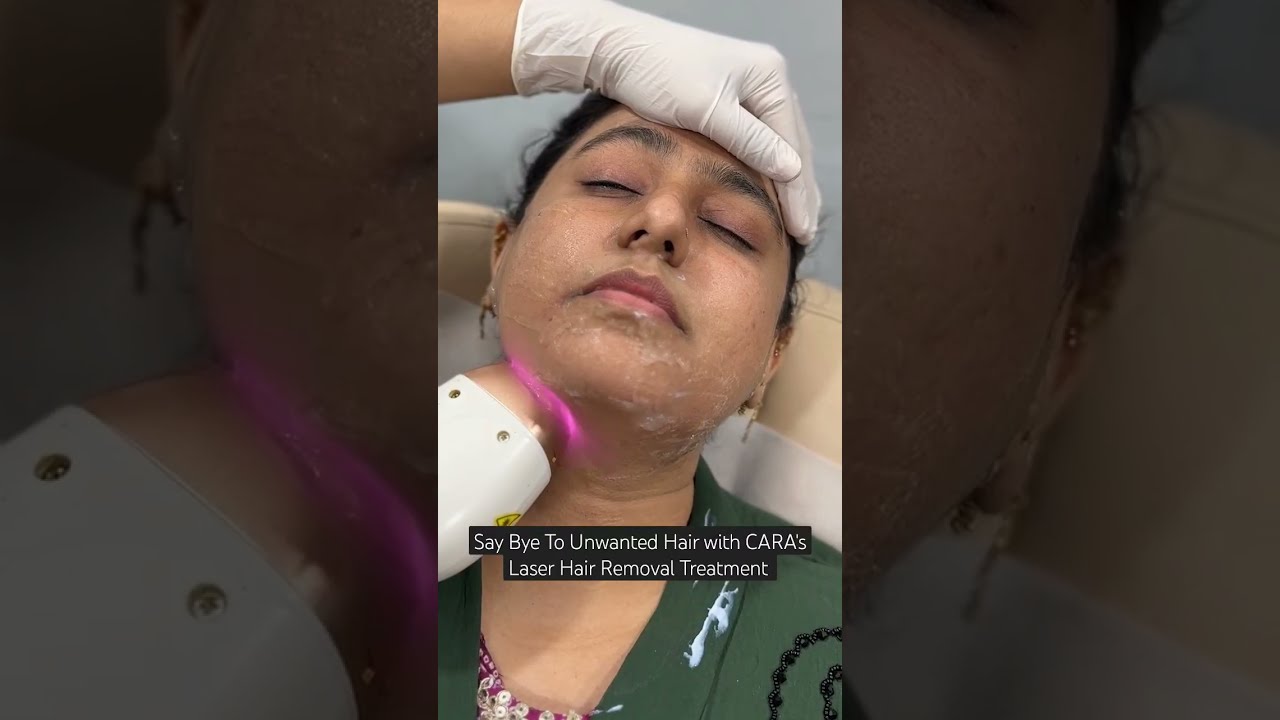
- Diode laser hair removal works well for a broad range of skin types and darker hair. Many professional laser hair removal providers use it as a backbone device for legs, arms, and underarms. It balances efficacy with speed, and larger spot sizes can shorten visit times. Alexandrite laser hair removal excels on lighter skin tones with dark hair, thanks to strong melanin absorption and quick passes. It is a favorite for those seeking quick laser hair removal on large areas when the skin type is appropriate. Nd:YAG laser hair removal is the safer choice for dark skin tones because it targets deeper structures with less interaction at the skin’s surface pigment. It is the workhorse for safe laser hair removal across a wide range of Fitzpatrick types when used by an experienced provider. IPL is a broad light source, not a true laser, sometimes used for hair reduction. It can help in select cases, but medical grade laser hair removal devices consistently outperform IPL for durable hair reduction, especially on coarse hair.
If you have sensitive skin or deeper skin tones, insist on a patch test before committing to any laser hair removal package. Ask about cooling systems, like contact cooling tips, chilled air, or cryogen spray, and the laser hair removal machine’s spot sizes, fluence range, and pulse duration options. This is not trivia. It signals whether the clinic can adjust the laser hair removal procedure to your exact mix of hair density, skin tone, and tolerance.
What makes a good package deal
Packages come in a few flavors. Some focus on a single area, like six sessions of facial laser hair removal. Others combine areas that share similar hair cycles, like underarms with bikini laser hair removal. Full body laser hair removal deals bundle multiple large areas in one visit to maximize efficiency. And membership models spread cost across the year with predictable monthly pricing, often with curated add-ons like occasional chin laser hair removal touch ups or discounted neck laser hair removal.
The good deals give you:
- Session flexibility. Hair responds at its own tempo. Aim for packages that allow you to bank or space sessions without penalty within 12 to 18 months. If you miss a window because you are traveling or because your hair took an extra week to reach the right growth phase, you should not lose a session. Area substitutions. If your arm laser hair removal finishes early with fewer sessions than expected, you might want to roll remaining value to shoulder laser hair removal or stomach laser hair removal. Some laser hair removal clinics allow this within reason, which shows confidence in their results. Clear laser hair removal pricing and a written plan. Good clinics print or email your laser hair removal treatment plan with dates, areas, and a cost breakdown, including any laser hair removal specials or laser hair removal offers applied. Access to the right technology. A package built solely around one device can work, but clinics with a diode and an Nd:YAG, for example, can pivot if your skin tans mid-summer or if face and body need slightly different settings.
Build your custom plan
Here is the simple framework we use with clients who want professional laser hair removal tailored to their goals.
- Map your priorities: list top two or three areas that bother you every week. For most, underarms and bikini make daily life easier. For others, legs and upper lip are the primary targets. Pin down your timeline: consider travel, weddings, beach season, and any planned tanning. If you need quick hair reduction for summer, start large body areas by late winter and face by early spring. Match technology to skin and hair: lighter skin with dark hair often benefits from alexandrite or diode. Darker skin tones require Nd:YAG for safe laser hair removal, especially for body laser hair removal on large fields. Choose session cadence: face every four weeks for the first three visits, then extend to five or six if the hair thins. Body every six to eight weeks. Book the next laser hair removal appointment before you leave each session. Decide on package type: single area pack for targeted goals, combo areas for efficiency, or a membership if you prefer lower monthly costs and occasional add-on flexibility.
Keep this list handy for your laser hair removal consultation. It frames the conversation in terms of outcomes, not just prices.
What a realistic calendar looks like
A client aiming for leg laser hair removal, underarm laser hair removal, and bikini laser hair removal over six months might start in February. Session one sets baseline fluence and tests tolerance. Four to six weeks later, session two increases energy slightly. By session three in late April, the hair is patchier, and we may adjust to a larger spot size for speed. A June session targets remaining coarse hairs. By August, fewer dark sprouts appear between visits. The sixth session in early fall polishes the result. At that point, a maintenance touch up every 6 to 12 months keeps things tidy.
For facial laser hair removal on the upper lip and chin, the cadence is tighter early on: every four weeks for three sessions, then spread to five or six weeks. Women with hormonally active areas like the chin may benefit from pairing laser hair reduction with medical evaluation if growth is rapid or new. Men doing neck laser hair removal around the beard line often notice fewer ingrowns after two to three sessions, with a calmer shave and less irritation shirt collar to jaw.
Comfort, pain, and session time
Clients feel different things depending on device, settings, and area. Underarms and bikini can sting more. Shins and forearms often feel easier. Modern machines and skilled technicians reduce discomfort with cooling, optimized pulse widths, and smart passes. Numbing creams can help for sensitive areas, but I use them judiciously because they can constrict vessels and slightly change how skin behaves under heat. If your clinic suggests numbing for full body sessions, ask about timing and coverage, and expect a longer visit to allow the anesthetic to work safely.
Session times vary. A professional laser hair removal provider with a large spot size diode can finish underarms in 10 minutes. Full legs can take 45 to 60 minutes. A brazilian laser hair removal visit often sits around 20 to 30 minutes, depending on density and whether you include the perianal region. Build a small buffer into your schedule for prep and cooling.
Safety first: who should wait or avoid
Laser hair removal is a safe procedure in trained hands, but it is still energy-based therapy. If you are pregnant, postpone. If you are on isotretinoin or recently stopped, most clinics wait six months before any aesthetic treatment. Oral antibiotics like doxycycline can increase photosensitivity; disclose medications to your laser hair removal specialist. Avoid treatment over tattoos, and shield permanent makeup areas. Recent sun exposure or self-tanner complicates settings, especially on alexandrite. For darker skin tones, Nd:YAG is the laser hair removal Alpharetta Georgia safer choice, and patch testing is not optional.
Clients with a history of keloids, vitiligo, or active eczema should discuss risks and test patches. If you have a history of cold sores and plan upper lip laser hair removal, ask about antiviral prophylaxis. A medical laser hair removal practice should have protocols for all of this.
A quick pre and post care checklist
- Shave 24 hours before your session, and leave the skin free of oils, makeup, and heavy lotions. Avoid sun, tanning beds, and self-tanners for 2 weeks pre and post; use SPF 30 or higher daily. Pause retinoids, acids, and strong exfoliants on the treatment area for 3 to 5 days before and after. Do not wax, tweeze, or thread between sessions; shaving is fine. Expect mild redness or follicular bumps for a few hours; cool packs and aloe help.
Follow these basics and your skin will handle the laser hair removal procedure much more predictably.
How to judge a provider beyond the marketing
When evaluating a laser hair removal center, skip the billboard claims and look for operational clues. Do they conduct a proper laser hair removal consultation with a medical history review and a patch test? Are you seeing a licensed laser hair removal specialist who can explain device choice and settings in plain language? Do they chart your fluence, pulse width, and spot size each visit, not just “Session 3, legs”? If you tan between sessions, do they pivot from alexandrite to Nd:YAG or adjust pulse duration respectfully, rather than just lowering energy and hoping for the best?
Ask about maintenance policies, missed appointment rules, and how they handle partial responses. A confident laser hair removal clinic services coordinator will tell you what happens if the package ends and you still have scattered coarse hairs: usually a discounted touch up rate or a small add-on pack.
Price, deals, and total cost of ownership
Laser hair removal pricing varies by city and by machine. In most metro markets, single area visits range from modest three-figure fees for small areas like upper lip to high three or low four-figure fees for large areas like full legs. Packages typically knock 10 to 25 percent off the per-visit price. Memberships spread costs monthly and can create savings if you commit to a full year.
Look closely at cancellation policies and how long you have to use sessions. A discounted pack that expires in six months can cost more if your schedule gets tight. Also, check if the laser hair removal provider increases prices mid-pack; good practices lock in your rate.
If you are comparing with waxing, do the math. A brazilian wax every four weeks at a mid-range spa can run hundreds per quarter. Over two to three years, that exceeds a six to eight session laser hair reduction plan that leaves you nearly hair free with occasional maintenance. For men, back waxing adds up fast. Permanent hair reduction laser therapy has a higher upfront cost but a lower total over time.
Full body laser hair removal: smart sequencing
Full body laser hair removal packages can be efficient, but you do not have to treat everything on the same day. Some clients feel better breaking the body into two visits per cycle: legs and underarms in one, bikini and arms in another, one to two weeks apart. This distributes any minor skin sensitivity and makes sessions shorter.
For dense growth areas like male chest and shoulders, I prefer a slightly conservative first pass, then step up fluence based on how the skin recovered. The temptation to blast through can lead to over-treatment, especially if summer sun sneaks in. A careful pace still clears hair rapidly, and the skin thanks you for it.
Men, women, and edge cases
Laser hair removal for men often focuses on back, chest, neck, and shoulders. Ingrown hairs on the neck respond quickly, reducing razor bumps. For bodybuilders or swimmers, chest laser hair removal and abdomen work well as a combo, with attention to tattoos. Male cheek or ear hair tends to be finer and can require more sessions; set expectations honestly.
Laser hair removal for women frequently zeroes in on face, underarms, and bikini. For the face, hormonal influences mean some women benefit from maintenance sooner. Women with PCOS can still achieve excellent results, but we pair the laser hair removal treatment plan with medical guidance so we are not fighting upstream physiology.
For sensitive skin, start with conservative settings and longer pulse durations, then adjust as tolerated. For coarse, dense hair, more aggressive fluence works if the device’s cooling is strong and the technician watches for endpoint signs like perifollicular edema without surface whitening.
Before and after: what to expect
Laser hair removal results are not dramatic after session one. Most clients notice slower growth by session two or three and thinner, patchier returns between visits. Photos at consistent lighting help track changes. After the fourth or fifth session, shaving time drops and stubble feels softer. By the end of a well-run series, hair count is much lower, with remaining hairs lighter and finer.
The “after” phase is about enjoying the freedom and keeping the skin healthy. A small fraction of clients see a few stubborn hairs that require targeted passes or different pulse durations. Others experience paradoxical growth in rare cases, more likely on the face and neck of darker skin types when settings are not ideal. Skilled device choice and conservative early protocols reduce that risk.
When affordability meets quality
Affordable laser hair removal should not mean cut corners. A clinic can run laser hair removal deals by optimizing schedules, using efficient spot sizes, and bundling popular areas without skimping on safety. The red flags are rushed consults, inflexible packages, and a one-device-for-everyone philosophy. If a price seems too good, ask which laser they use for your skin type, what cooling is available, and how they manage adverse events. A strong answer beats a low number every time.
If you are price sensitive, target high-impact zones first. Underarms and bikini changes daily comfort more than, say, toe hair. Add areas in phases. Also, ask about seasonal laser hair removal offers. Many practices run winter specials when clients are less tan and hair removal scheduling pairs naturally with long pants and sleeves.
Putting it all together
Your custom laser hair removal treatment plan should read like a roadmap:
- Areas prioritized with a short rationale: for example, underarms to remove daily shaving, bikini for swim season, legs for long term convenience. Device choices per area noted: diode for legs, Nd:YAG for bikini if skin is darker, alexandrite for underarms if skin is lighter. Session cadence plotted across the calendar with space for travel and holidays. Pricing summarized clearly, including any package savings, membership benefits, and add-on rates for strays or maintenance.
Bring this plan to your laser hair removal appointment. A thoughtful laser hair removal provider will welcome the structure, validate or adjust based on hair density and skin exam, and get you on the table with confidence. Over the next few months, you will watch the stubble thin, the razor get dusty, and the impulse to hide behind long sleeves or board shorts fade. That is the real payoff of professional laser hair removal: less friction in your day, more control over your grooming, and the freedom to stop planning your week around regrowth.
If you are ready to start, search laser hair removal near me to find reputable clinics, then call to request a true laser hair removal consultation, not a quick sales pitch. Ask about medical grade laser hair removal devices on site, whether they support laser hair removal for dark skin and for light skin, and if they have dedicated laser hair removal experts guiding care. With the right team, the right machine, and a package built around your life, the process becomes straightforward. And a year from now, you will barely remember the last time you bought a pack of razors.